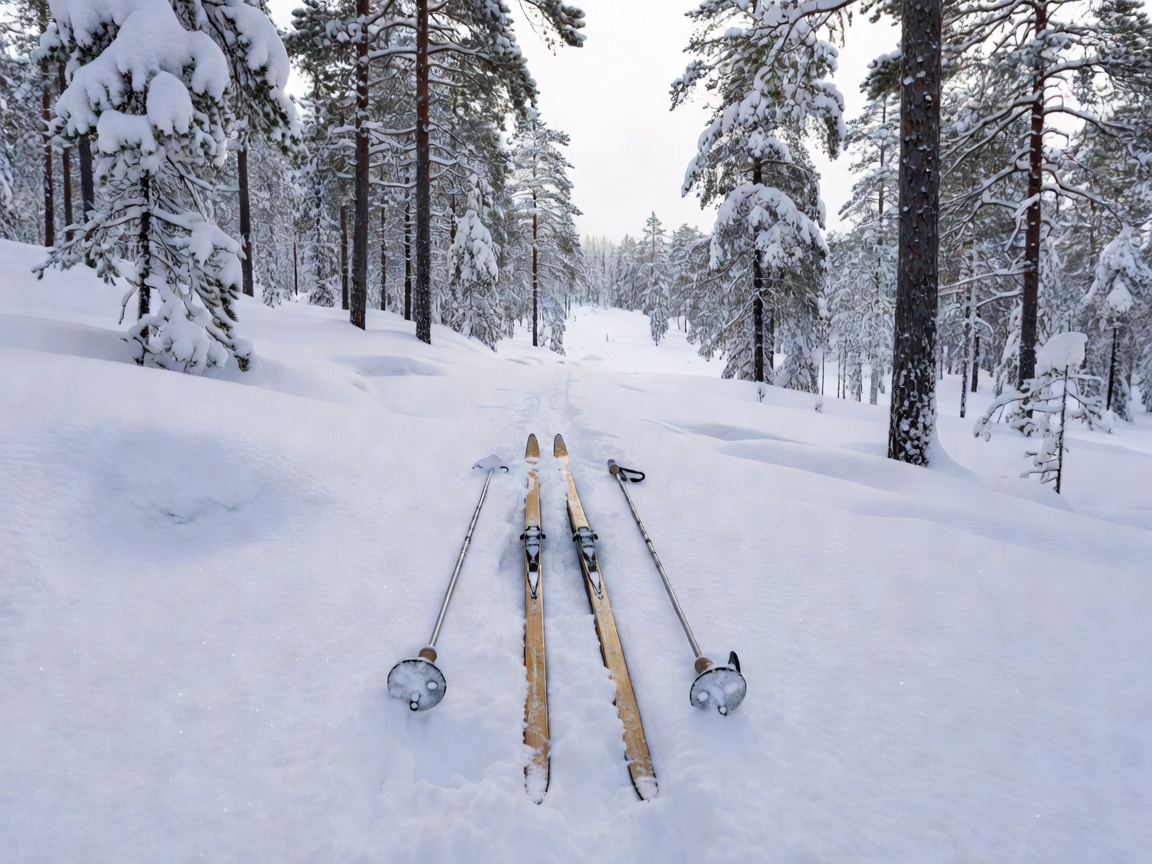
Cross-country equipment is a system. Skis, boots, bindings, poles, clothing and preparation need to work together. Start with the technique you expect to use and the snow conditions you will face. If you are renting, tell staff your height, weight, experience and intended use. Specific sizing and compatibility depend on the skier, product and manufacturer.
Classic and skate skis
Classic skis are used in parallel tracks or on suitable ungroomed terrain. Traditional waxable models use a grip zone underfoot. Grip wax or klister is selected for snow and temperature conditions. Skin and fish-scale models use a built-in grip surface and have their own care requirements. All classic skis also need a glide area at the tips and tails.
Skate skis are built for a lateral skating stride on a firm, groomed surface. They do not use the same kick zone as traditional classic skis. Their camber and flex are intended for the technique, and their pole and boot choices differ from many classic setups. Avoid buying a ski by length alone. Skier weight, ski flex, technique, snow and the manufacturer's sizing guidance all matter.
Flex describes how a ski responds under load. If a ski is too soft or too stiff for its intended use and skier, control or performance can suffer. Ask a qualified fitter to assess the pair rather than relying on a general height chart. For rentals, request a suitable flex match and test the equipment on an easy section before committing to a longer route.
Boots, bindings and poles
Boots should hold the foot securely without painful pressure. Classic boots generally prioritize flex at the forefoot. Skate boots commonly add ankle support for lateral movement. Touring and combi boots occupy other positions in the category. Models and binding systems are not universally interchangeable. Check compatibility among the boot, binding and ski before purchase or travel.
Pole length depends on technique, body proportions, ability and applicable guidance from the manufacturer or coach. Classic poles are generally shorter than skate poles. A strap should transfer force comfortably and remain easy to release. Grip shape and basket choice can also affect use across different snow surfaces. Ask for a fitting instead of treating one measurement as universal.
Wax, bases and daily preparation
Glide wax helps prepare the ski's sliding zones. Grip wax supports kick on waxable classic skis. Products and methods vary with snow type and temperature. These are different jobs, and one product should not be assumed to replace the other. Skin skis need cleaning and maintenance according to manufacturer instructions. Follow product safety directions and use appropriate ventilation when preparing equipment.
Before skiing, inspect bases, edges, bindings and pole baskets. Remove snow and debris. Check that the bindings engage correctly and that boot soles are clear. Wax selection is a practical judgment influenced by the snow at the trail, not just the air temperature. If conditions are unfamiliar, seek advice from a local rental or service professional.
Clothing and protection
Use layers that can be adjusted as effort and weather change. A moisture-managing base layer, insulating mid-layer and wind-resistant outer layer form a flexible system. Avoid dressing only for the first few minutes of a session. Gloves need to balance warmth, movement and pole control. A spare pair can help on a longer outing.
Eye protection matters in bright snow, falling snow and windy conditions. Choose eyewear suited to the light and weather. Carry a warm hat or headband and consider face protection in exposed conditions. Pack water and a small repair or emergency item set appropriate to the route. Clothing needs vary with pace, forecast, exposure and personal comfort.
Storage and transport
After skiing, dry boots, liners and gloves away from excessive heat. Wipe skis clean and allow them to dry before storage. Keep equipment out of direct heat and protect the base from dirt or damage. Store poles and skis where they will not be bent or crushed. Follow the manufacturer's advice for long-term base protection and skin care.
For travel, use protective ski sleeves or a suitable case, secure poles and check the carrier's current luggage rules. Label equipment and keep essential items together. Confirm rental pickup arrangements if you are not travelling with your own setup. These steps reduce last-minute substitutions that may not match your technique.
A sensible selection process
First decide whether you need classic, skate or versatile touring equipment. Then confirm where you will ski and what surface the area maintains. Get skis fitted to the skier, not simply selected by a broad size label. Confirm boot and binding compatibility. Select poles for the chosen technique. Complete the setup with appropriate clothing and basic care supplies.
Buying less equipment can be the better choice when needs are uncertain. A rental day can help clarify preferred technique and fit. Ask about return conditions and what is included. No single setup is ideal for every skier, snow type or trip. Keep the decision tied to use, fit and conditions.
Good for
- New skiers comparing classic and skate technique.
- Renters who need help choosing a compatible setup.
- Experienced skiers refreshing a seasonal equipment plan.
- Trip planners checking luggage and maintenance needs.
What to know
- Skier weight, height, ability and manufacturer sizing all affect fit.
- Classic and skate skis are designed for different movement.
- Boots, bindings and skis must be compatible.
- Wax and care choices depend on ski type and snow conditions.
- Layering should account for effort, weather and exposure.