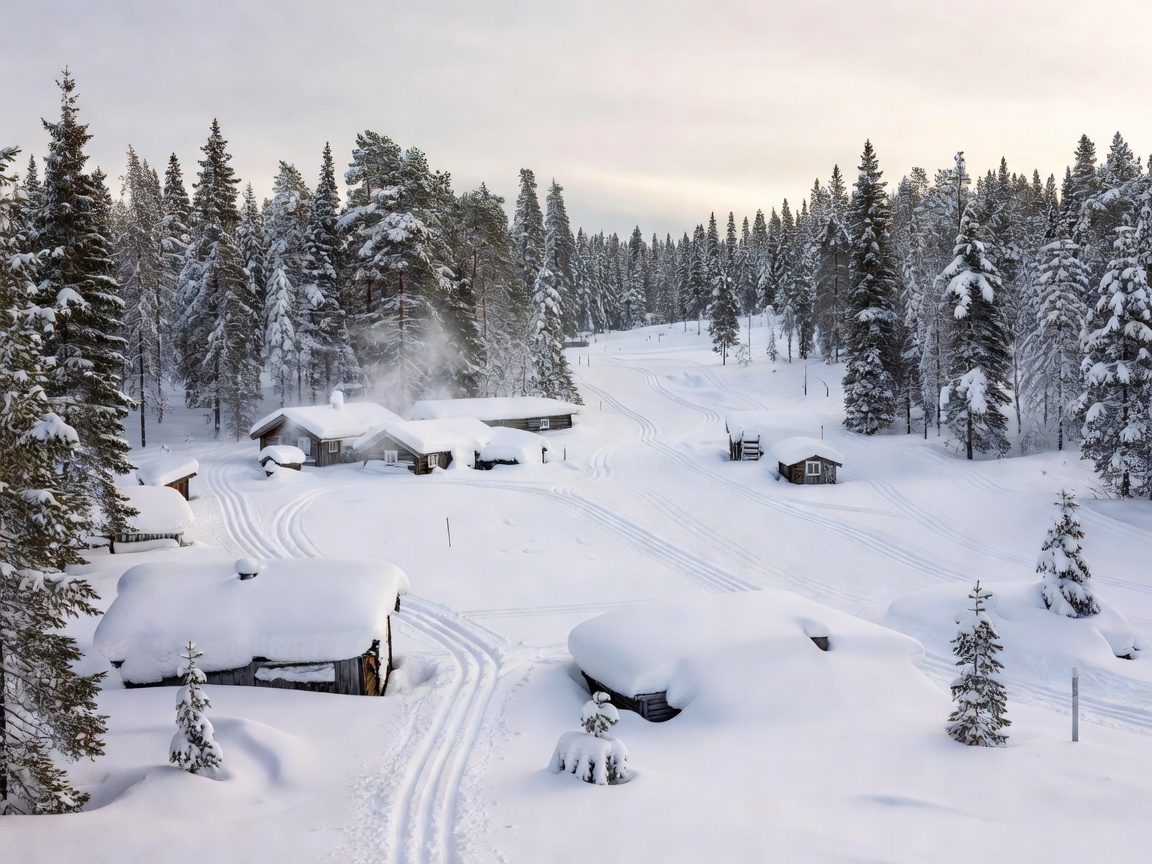
“Resort” can mean a dedicated Nordic center, a network served by a mountain destination or a collection of trails managed by a local operator. Compare the actual services and access rather than assuming every area has the same facilities. Published details can change. Confirm current information with the operator before travelling.
Start with the trail network
Look at the map and identify where trails begin, which loops connect and how the routes suit your group. Check classic and skate provision separately. Ask whether grooming covers the whole network or selected sections. Review elevation, route variety, intersections and shorter return options. A compact area can work well for first sessions. A broader network may offer more choices for longer days, but only if access and navigation are clear.
Network size is not a quality score. A smaller trail system with suitable terrain, useful signs and reliable updates can fit a visitor better than a larger system with routes beyond their experience. Compare the type of skiing you plan to do, the group’s pace and the amount of time available. Read local rules, including any guidance for shared trails, dogs or one-way sections.
Check grooming and trail information
Grooming infrastructure may include trail machines, snow preparation resources and published condition updates. Find out how the operator shares information and when it was last posted. Ask which loops are groomed for classic skiing and which have skate lanes. An update describes a moment in time. Snowfall, wind, temperature and traffic can change a surface afterward.
Consider how the area handles wayfinding. Trail maps should identify access points, loops, junctions and any relevant facilities. Check if maps are available online or at the trailhead. Do not rely on a printed map alone for time-sensitive information. Save useful details before leaving areas with uncertain mobile reception.
Rentals, waxing and changing space
Rental categories vary. Ask whether classic and skate skis are available, and whether boots, poles and helmets or other accessories are included. Confirm sizing processes and availability directly. Do not assume an area carries a particular model or can fit a specific binding system. If correct fit matters, allow time to discuss skier weight, height, ability and intended technique with staff.
Some centers provide waxing benches or a designated preparation room. Others may not. Ask what tools, rules or facilities are available before bringing wax or applying it on site. Changing rooms, toilets, lockers and drying areas can make a practical difference, especially for families or visitors skiing for several days. Check access hours and any use requirements with the operator.
Access, transport and accommodation
Assess how to reach the trailhead. Review parking, public transport, shuttle options, road conditions and the distance from accommodation. Confirm whether access requires a pass, reservation or separate facility fee; current terms are set by the operator. No price or service should be assumed from a third-party description.
Staying close to a trail network can simplify early starts and equipment transport. Compare accommodation by practical features: storage for skis, drying space, walking or transit access, meal options and cancellation terms. A nearby stay is not automatically the best fit. Check the full route from arrival point to lodging to trail access, including transfers and winter road requirements.
Food, recovery and family facilities
Food options may range from packed-lunch space to a café or nearby shops. Check current opening information independently, especially outside peak periods. Recovery planning includes warm shelter, dry clothing, water and a realistic end time. Families may value beginner loops, toilets, safe gathering points, rental support and activities for people not skiing. Confirm which facilities are open to day visitors and whether supervision rules apply.
Build your comparison around must-haves and preferences. Must-haves could include a suitable technique surface, easy access and current trail information. Preferences might include a waxing room, food nearby or a longer route choice. This keeps the decision useful without relying on unsupported rankings or broad claims about which destination is best.
Compare on evidence you can confirm
Use the official area map and service pages, then contact the operator if a detail is unclear. Ask about trail grooming format, access requirements, rental categories and facility availability. Check the forecast separately. Keep a second option in case conditions or transport plans change. The best match is the area whose verified services, routes and logistics fit your own trip.
Good for
- First-time visitors who need rentals and clear wayfinding.
- Technique sessions with an appropriate groomed surface.
- Multi-day trips where trail choice matters.
- Families who need short loops and useful facilities.
- Groups comparing access and accommodation logistics.
What to know
- Grooming format, update source and update time.
- Rental categories, fit process and booking rules.
- Changing, waxing, food and family facilities.
- Trailhead access, transport and any current requirements.
- Accommodation distance and equipment storage options.