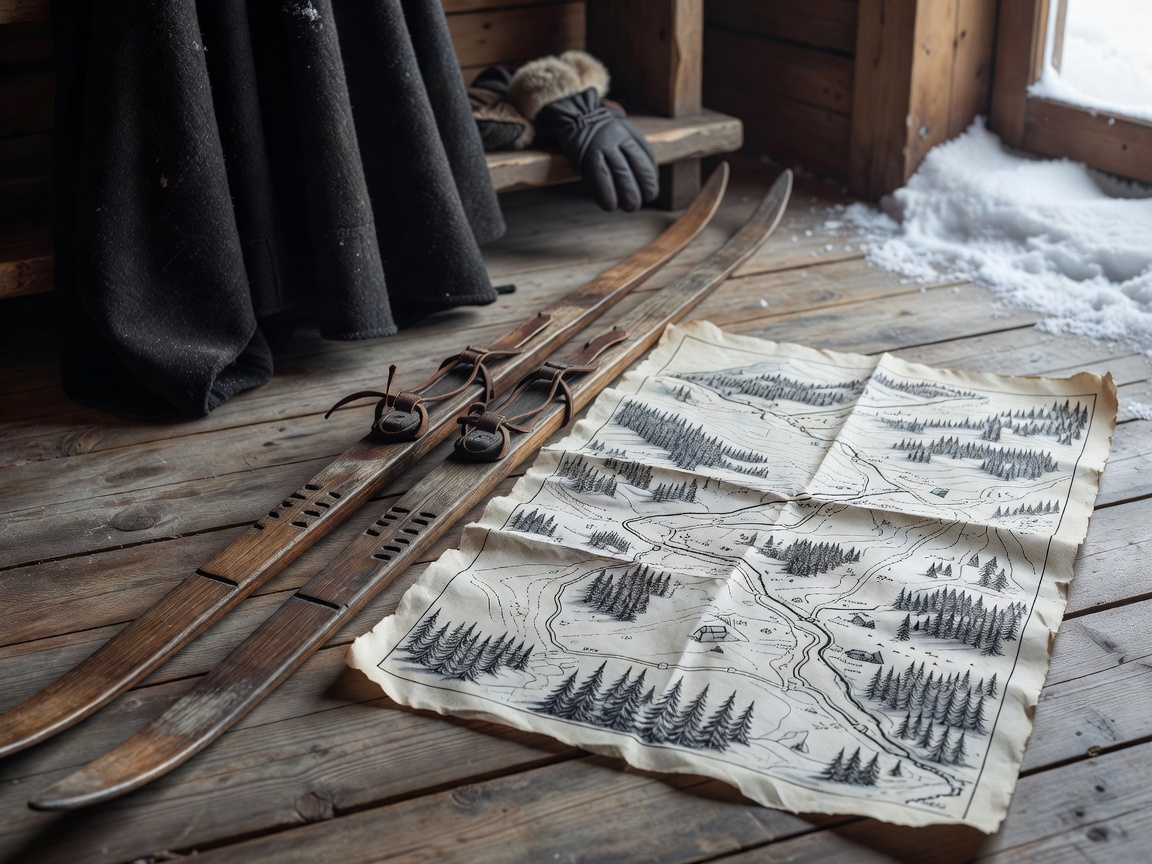
A Nordic ski trip has several moving parts: destination, trail access, transport, equipment, weather, lodging and daily route choice. Set the priorities first. Decide who is travelling, which techniques they ski, how much time they have and what facilities they need. Then check current details directly with operators and transport providers.
Choose a destination by fit
Start with the kind of skiing the group wants to do. Review trail maps, classic and skate grooming, terrain and route variety. Check whether beginner loops, longer trails or practice areas are available. Compare access points and the distance between trails, lodging and transport. A familiar destination is not necessarily the right one if its current services do not match the trip.
Make a short list of must-haves and preferences. A suitable surface, accessible trailhead or rental availability may be essential. Nearby food, a waxing area or extra trail choices might be useful preferences. Check each item with the operator. Do not rely on old listings for access rules or facilities.
Season timing and snow information
Season patterns vary by location and year. Historical timing is not a guarantee of current snow, open trails or services. Check official trail updates close to departure and again before skiing. Read the forecast from a reliable local source. Ask about any access notices, grooming updates or changes to facilities. Keep a backup activity or destination if conditions do not support the plan.
Weather affects clothing, visibility, travel and route choice. Consider wind exposure, changing temperatures, snowfall and daylight. If a forecast worsens, shorten the outing, choose a sheltered route or change the plan. Do not assume the conditions at the accommodation match those at a remote trailhead. Plan for communication gaps where relevant.
Transport and equipment
Compare the full transport chain: arrival point, local connections, road access, parking and final trail transfer. Verify current schedules and winter travel guidance with the transport provider. Allow time for delays. If driving, check local road information and equipment requirements. Keep route details available offline where practical.
Decide whether to bring skis or rent. For rentals, confirm classic or skate categories, boots, poles, binding compatibility, collection arrangements and return times. Availability and terms vary. For personal equipment, check carrier baggage rules, protective packing and space in the vehicle. Pack a small care kit and clothing suitable for changing effort and conditions. Avoid leaving essential warm layers in checked luggage if travel disruptions are possible.
Accommodation and trail access
Compare lodging by the details that support skiing: distance to a trailhead, transport options, equipment storage, drying space and meal access. Confirm current check-in arrangements and cancellation terms directly. Do not assume an advertised distance means a practical winter walk. Review the route, terrain and available transport.
Check trail access separately from accommodation. Confirm whether a pass, reservation, parking arrangement or local fee applies. Read the operator's current rules. Find out where maps, grooming notes and notices are published. Save addresses, contact details and alternate access points before travelling.
Build a realistic daily ski plan
Choose a primary route and an easier alternative. Review the profile, distance, surface and junctions. Match the route to the least experienced skier in the group. Set a turnaround point and a latest return time. For a multi-day trip, vary distance and intensity rather than treating every day as a long outing. Leave room for weather changes and rest.
Carry food and water appropriate to the session. Check whether food is available on route or at the trailhead; do not assume it is. Pack warm layers, gloves, eye protection and a dry change when useful. For remote routes, share the plan and expected return with someone. Do not rely on mobile reception or battery alone. Turn back if conditions or energy change.
Recovery and contingency planning
Recovery can be simple: dry clothing, food, fluids, equipment care and time away from exertion. Add a rest day or shorter session if the trip includes repeated ski days. Let boots and gloves dry safely. Brush snow from equipment and follow care guidance for skis and skins. Keep wet gear separate from dry layers during travel.
Make a backup plan for delayed transport, poor weather, trail changes or a rental issue. Identify an alternative route, indoor activity or rest day. Keep key contacts and bookings accessible. Review cancellation terms and travel cover details if applicable. A flexible itinerary protects the useful parts of the trip without depending on any one trail staying unchanged.
Practical planning checklist
- Choose a destination by terrain, technique and access.
- Confirm current trails, grooming updates and local requirements.
- Verify transport details directly with providers.
- Arrange rentals or inspect and pack personal equipment.
- Check accommodation access, storage and drying options.
- Set a primary route, shorter alternative and return plan.
- Review weather, daylight, food and clothing before each ski day.
- Keep a contingency for travel or snow changes.
Good for
- First ski trips that need a simple, flexible itinerary.
- Multi-day visits with varied route lengths.
- Groups combining rental and personal equipment.
- Travellers comparing trails, lodging and local access.
- Training trips with weather and recovery alternatives.
What to know
- Snow and trail access are time-sensitive.
- Transport timetables and facility details can change.
- Rental fit and equipment compatibility need confirmation.
- Plan a shorter route for each ski day.
- Use current local sources before leaving accommodation.